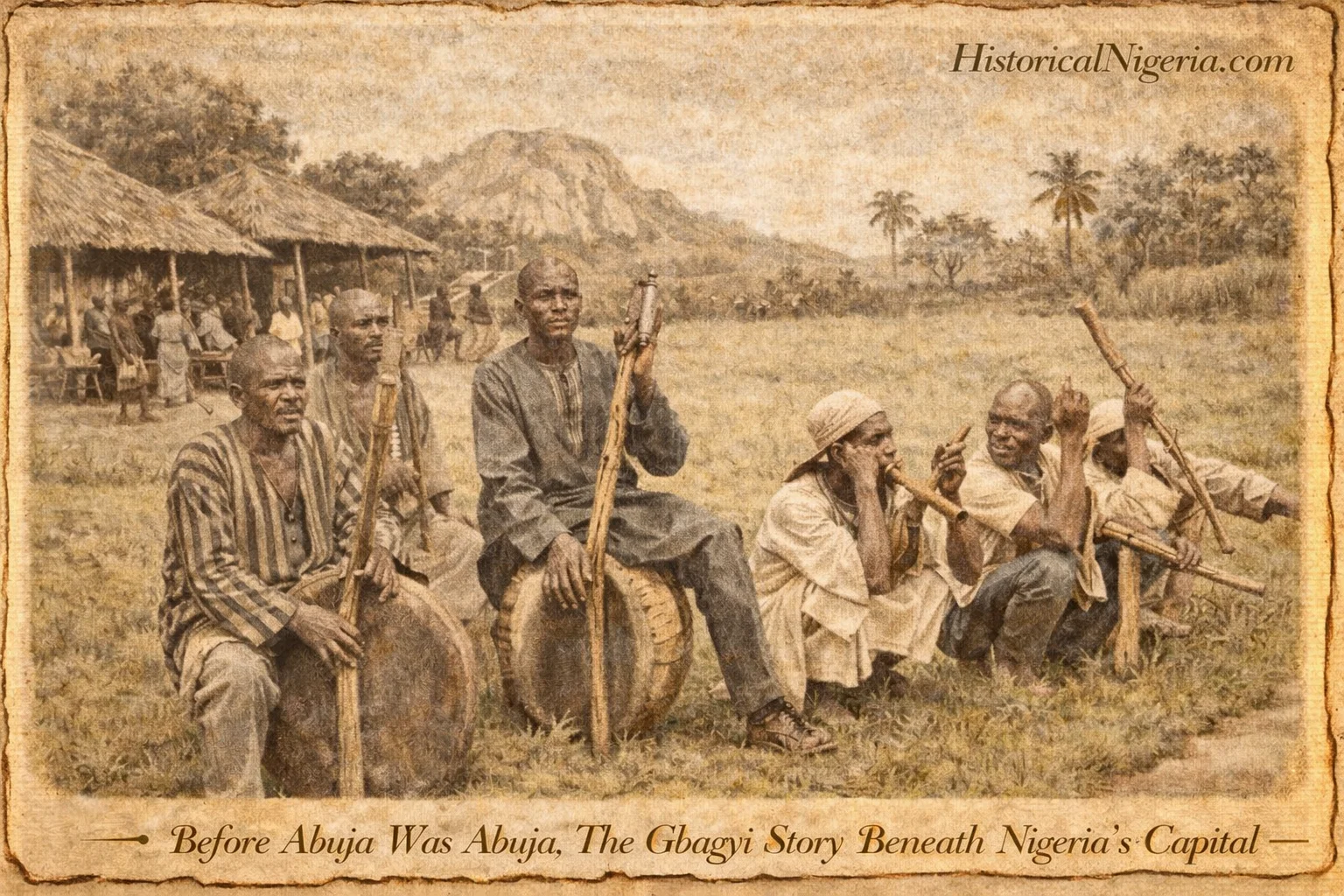
Gbagyi

About the Language
Gbagyi (often referred to as Gwari) is a Nupoid language spoken by one of the largest and most peaceful ethnic groups in Central Nigeria. Most notably, the Gbagyi are the original, indigenous inhabitants of the land that is now Abuja, the Federal Capital Territory. Despite the massive urbanization that displaced many of their ancestral communities, the Gbagyi language and culture have stubbornly and beautifully survived.
The philosophy of the Gbagyi people is deeply embedded in their language, which emphasizes peace, hard work, and an almost sacred connection to the earth. This connection to the soil is perhaps best exemplified by their legendary pottery skills. The world-famous potter Ladi Kwali, whose image graces the 20 Naira note, was a Gbagyi woman who utilized traditional Gbagyi techniques to create masterpieces that captivated global audiences.
A unique cultural hallmark of the Gbagyi—often described in their oral traditions—is the practice of carrying loads on their shoulders rather than their heads, out of a belief that the head is the sacred seat of intelligence and should not be burdened. Speaking Gbagyi is an acknowledgment of a deeply resilient, artistic, and peaceful indigenous culture.
History & Origins
The Gbagyi are the indigenous and original inhabitants of Nigeria's capital, Abuja, before its development as the FCT.
Cultural Significance
Encapsulates a heritage of profound peace, agricultural prowess, and artistic pottery.
Common Phrases
Eku
Greetings
Be na yi
How are you doing?
Mi gba eku
I am fine