Hausa

About the Language
Hausa is a Chadic language belonging to the Afroasiatic language family, and it is arguably one of the most culturally significant languages in Sub-Saharan Africa. Spoken natively by over 50 million people and as a second language by millions more, it serves as the ultimate lingua franca connecting Northern Nigeria, Niger, and trade routes spanning across West Africa.
What makes Hausa uniquely powerful is its immense literary and poetic heritage. Long before the arrival of Western education, the Hausa language possessed a robust written culture using the 'Ajami' script (an Arabic-derived alphabet). Historical chronicles, religious texts, and stunning epic poetry were documented in Ajami for centuries. Today, it is predominantly written in 'Boko' (the Latin alphabet), but the oral tradition of storytelling (Tatsuniya) and praise singing (Zabanci) remains vibrantly alive in everyday conversation.
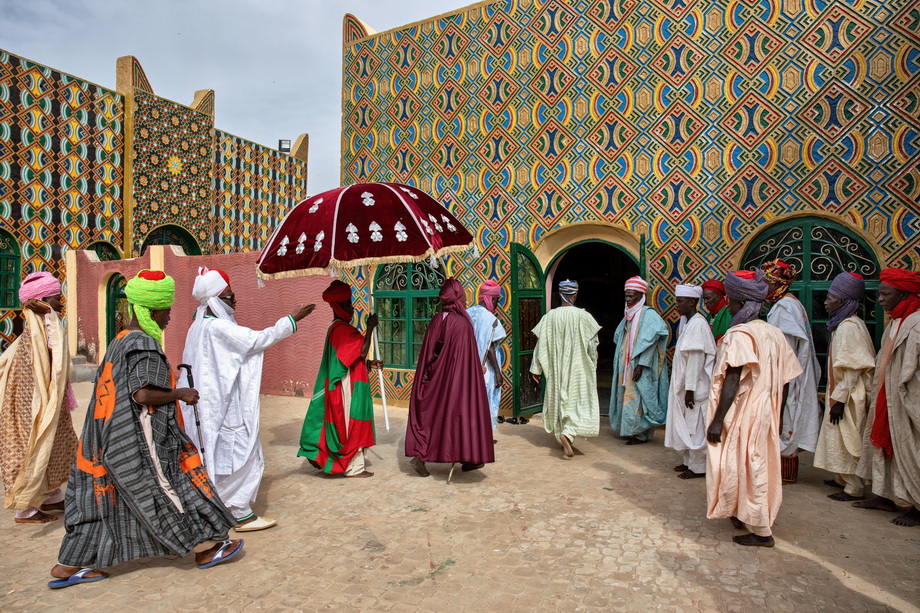
Speaking Hausa is an immersion into a culture of profound respect. The language relies heavily on complex honorifics and age-old proverbs (Karin magana) to convey wisdom. Whether bargaining in the bustling Kurmi market of Kano or reciting classic poetry in Sokoto, Hausa is a language that carries the weight of history and the rhythm of modern West African commerce.
History & Origins
Hausa is a Chadic language belonging to the Afroasiatic language family. Historically, it spread extensively as a lingua franca through trans-Saharan trade networks.
Cultural Significance
Hausa is rich in oral traditions, proverbs, and poetry. It plays a pivotal role in unifying diverse ethnic groups across Northern Nigeria.
Common Phrases
Sannu
Hello / Sorry
Na gode
Thank you