Jukun

About the Language
Jukun (traditionally encompassing languages and dialects such as Wapan, Donga, and Takum) is a branch of the Benue-Congo language family, historically rooted in the central Benue River basin of Nigeria. It carries an extraordinary historical pedigree as the tongue of the legendary Kwararafa Confederacy—a powerful ancient state that influenced the political and cultural tapestry of Northern and Central Nigeria for centuries.
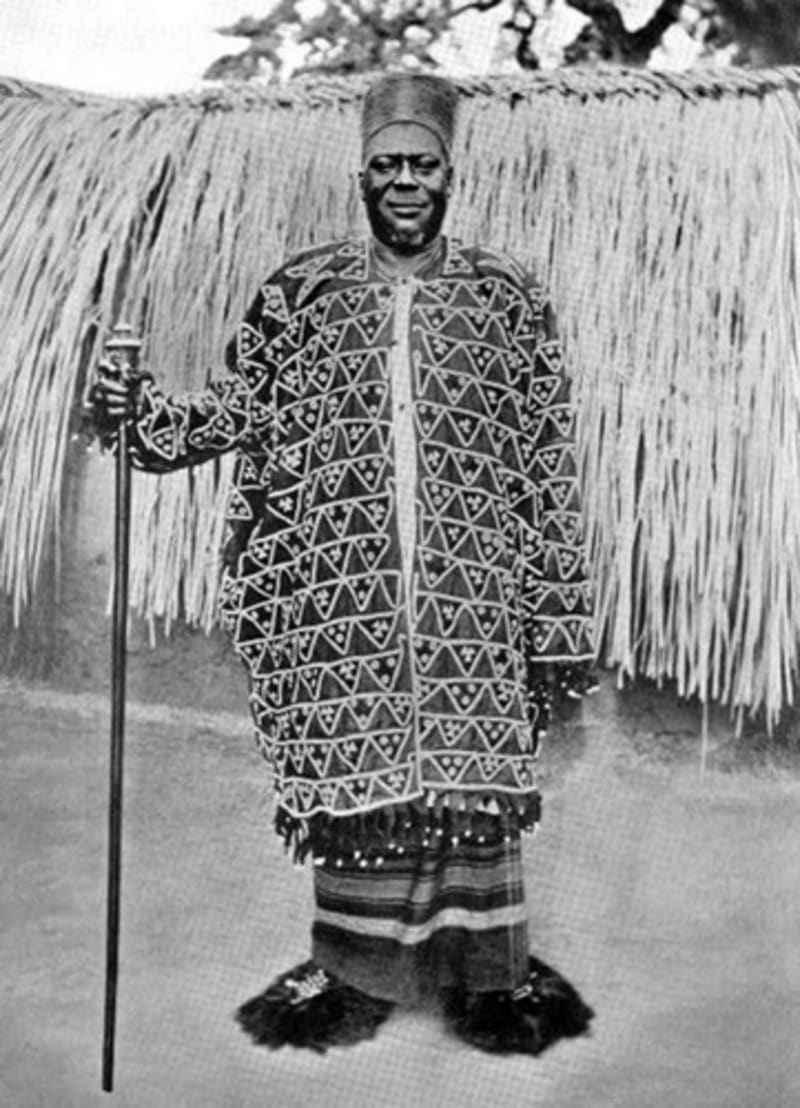
At the cultural center of the Jukun-speaking world is Wukari and the sacred institution of the Aku Uka, the paramount ruler and spiritual head of the Kwararafa empire. The Jukun language developed intricate linguistic layers designed around sacred governance, religious ceremonies, and profound deference. In traditional daily life, greetings and speech are treated with solemn respect, often accompanied by distinct traditional postures of honor.
While contemporary speakers utilize the Latin alphabet for educational and literacy materials, the soul of Jukun remains firmly grounded in its oral traditions, ancestral songs, and communal storytelling. Today, Jukun continues to serve as an enduring symbol of identity, resilience, and pride for communities across Taraba, Benue, Nasarawa, and Plateau states.",
History & Origins
The historical language of the storied Kwararafa Kingdom, spoken across the Benue River valley. It embodies an ancient legacy of sacred kingship, rich folklore, and deep communal ties.
Cultural Significance
The historical language of the storied Kwararafa Kingdom, spoken across the Benue River valley. It embodies an ancient legacy of sacred kingship, rich folklore, and deep communal ties.