.jpeg)

Published in Strategic Collaboration with House of Dandali
“Ba A Guda Ba A Bar Gida”
Literally translated: “One does not flee and abandon one’s home”
Mallam Mudi Yahaya
Nina Fischer-Stephan
Fifth Chukker Resort, Kaduna
27 October 2026
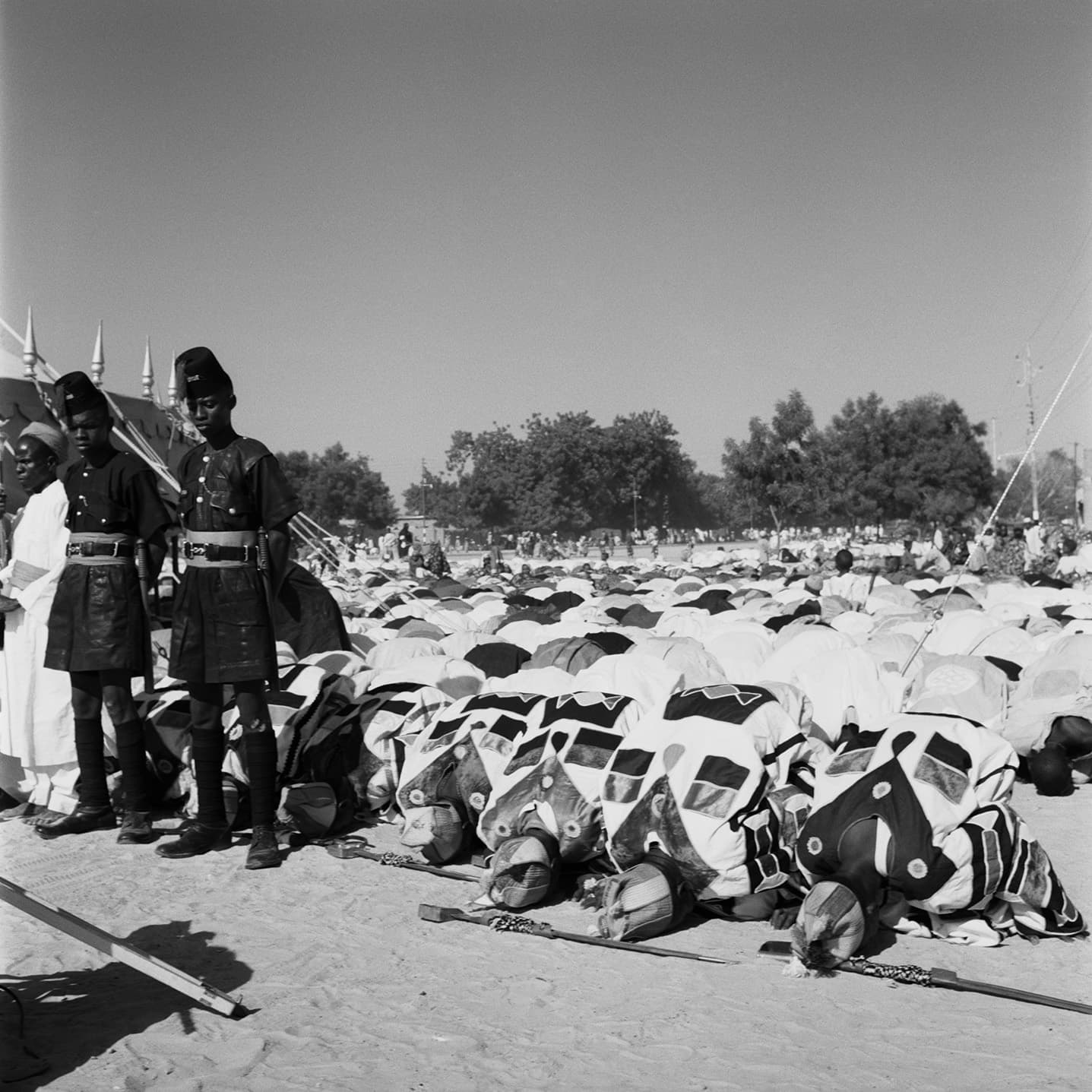
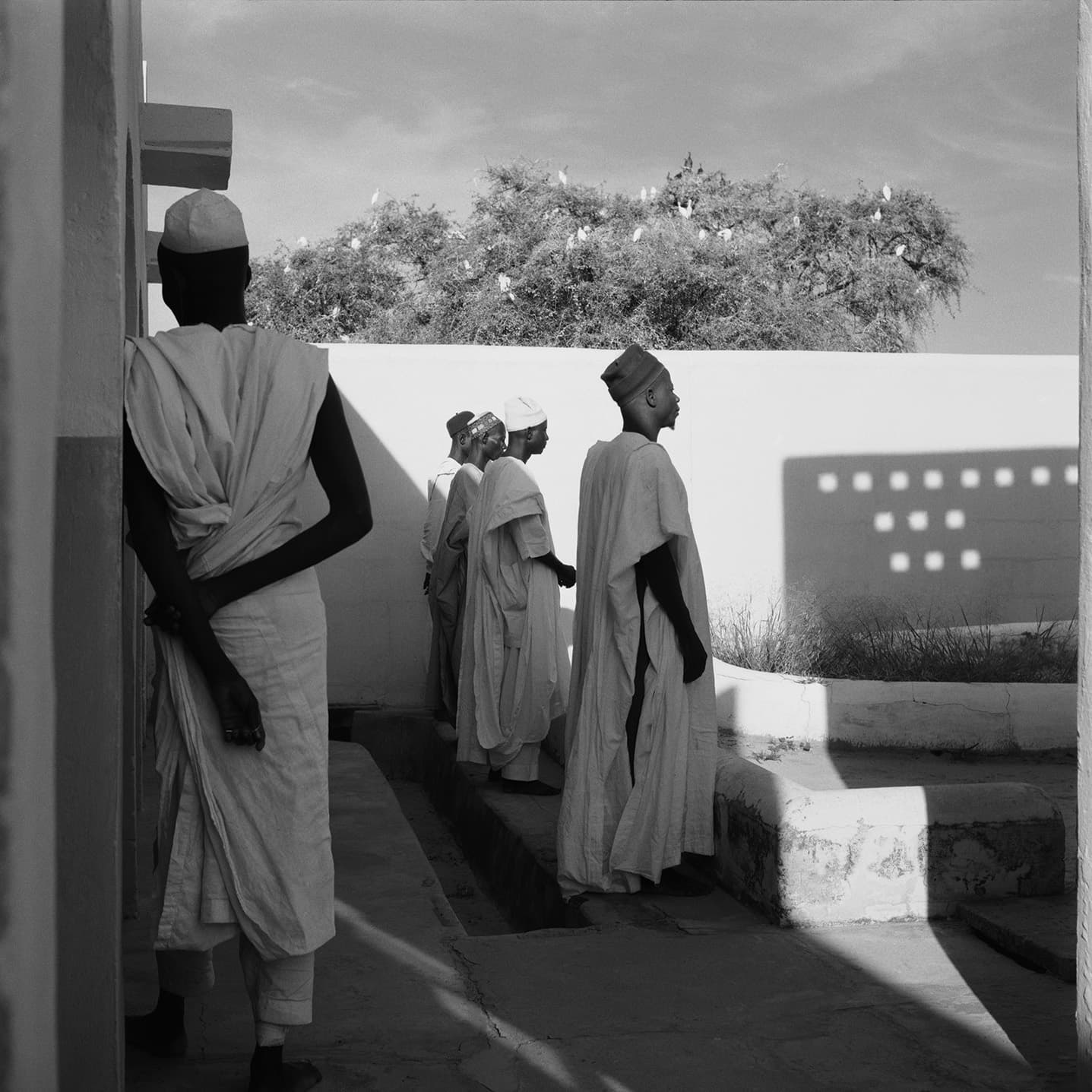
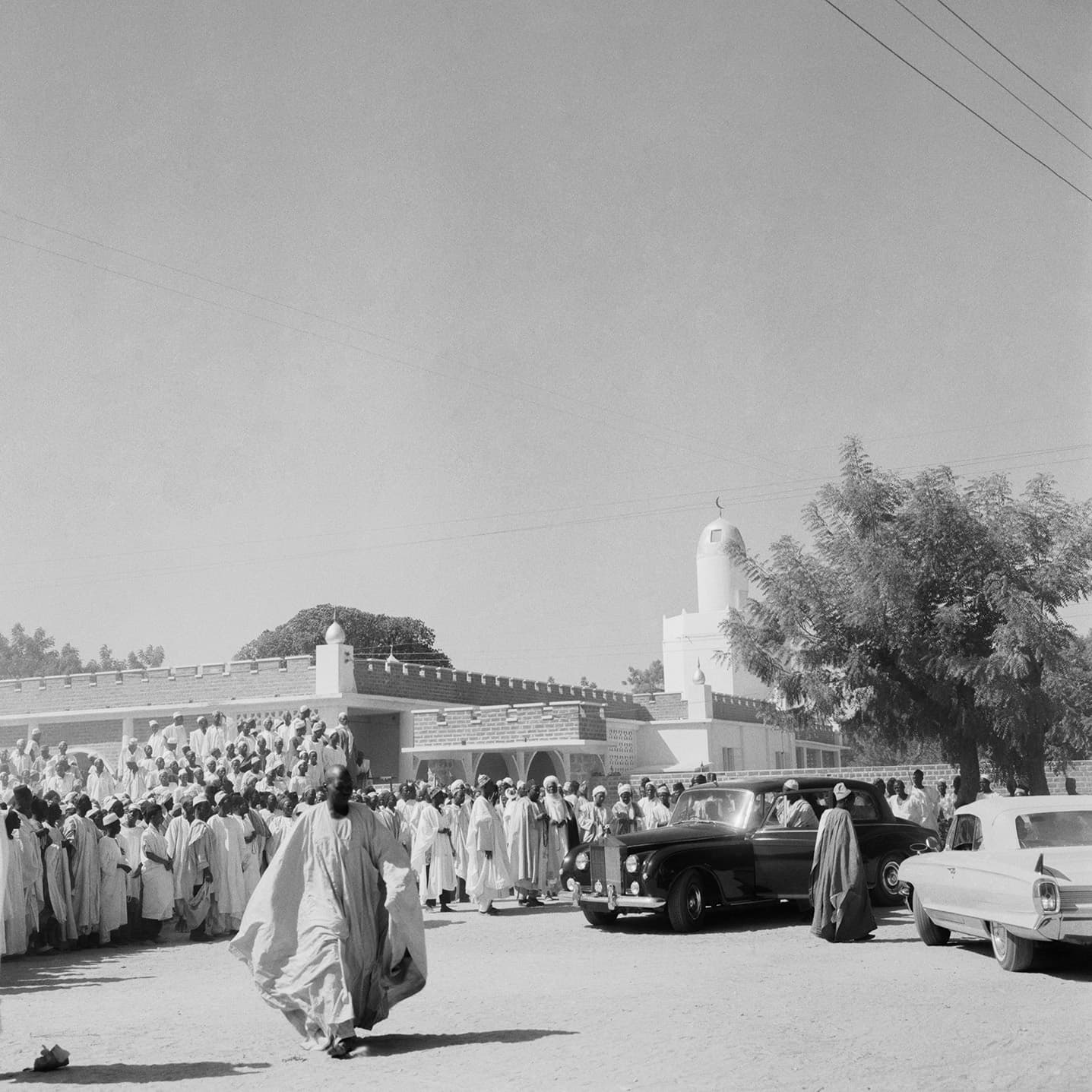
On 27 October 2026, an exhibition of photographs by Berlin-based photographer Nina Fischer-Stephan opens at Fifth Chukker Resort in Kaduna. Titled Ba A Guda Ba A Bar Gida, a Hausa proverb meaning “One does not flee and abandon one’s home,” the exhibition brings historical photographs of Northern Nigerian life into a contemporary conversation about belonging, representation and the responsibility of remembering.
Curated by Mallam Mudi Yahaya, the exhibition moves beyond the preservation of old photographs to ask how a society understands itself through its past, particularly when its present is marked by uncertainty. In this conversation with DANDALI, Yahaya examines what happens when an archive returns to the society it depicts, why photographs require more than visual interpretation, and what it means to entrust cultural memory to institutions.
What is the central idea behind Ba A Guda Ba A Bar Gida, and what does its title mean in the context of Northern Nigeria today?
The Hausa proverb takes on a deeper significance at a time when Northern Nigeria is confronting political uncertainty, economic hardship, insecurity, displacement and social fragmentation. Its central message concerns our shared responsibility to understand, protect and critically examine the foundations of our society if we hope to imagine a better future.
The exhibition is therefore more than a presentation of Northern Nigeria’s post-independence history. It is a reflection on belonging, the obligations we have to one another and the relationship between historical memory and the future of a struggling society. The photographs are not merely depictions of a world that has disappeared; they bear witness to a civilisation whose identity cannot be reduced to its present difficulties. The proverb also raises an ethical question: when a society struggles, do its members accept the responsibility to protect and reimagine what unites them, or surrender their future to fear and division?
This should not be interpreted as a criticism of physical migration. Islamic history itself recognises migration as necessary in circumstances of danger and persecution, as demonstrated by the Prophet Muhammad’s Hijrah. A family may lose its house without losing its identity, and a community may become dispersed without disappearing. Home, therefore, is more than a place of residence. It is also the memory, knowledge, relationships and aspirations we carry, protect and seek to rebuild.
What makes Nina Fischer-Stephan’s photographic collection significant, and what can these images tell us about Northern Nigerian society beyond what is immediately visible?
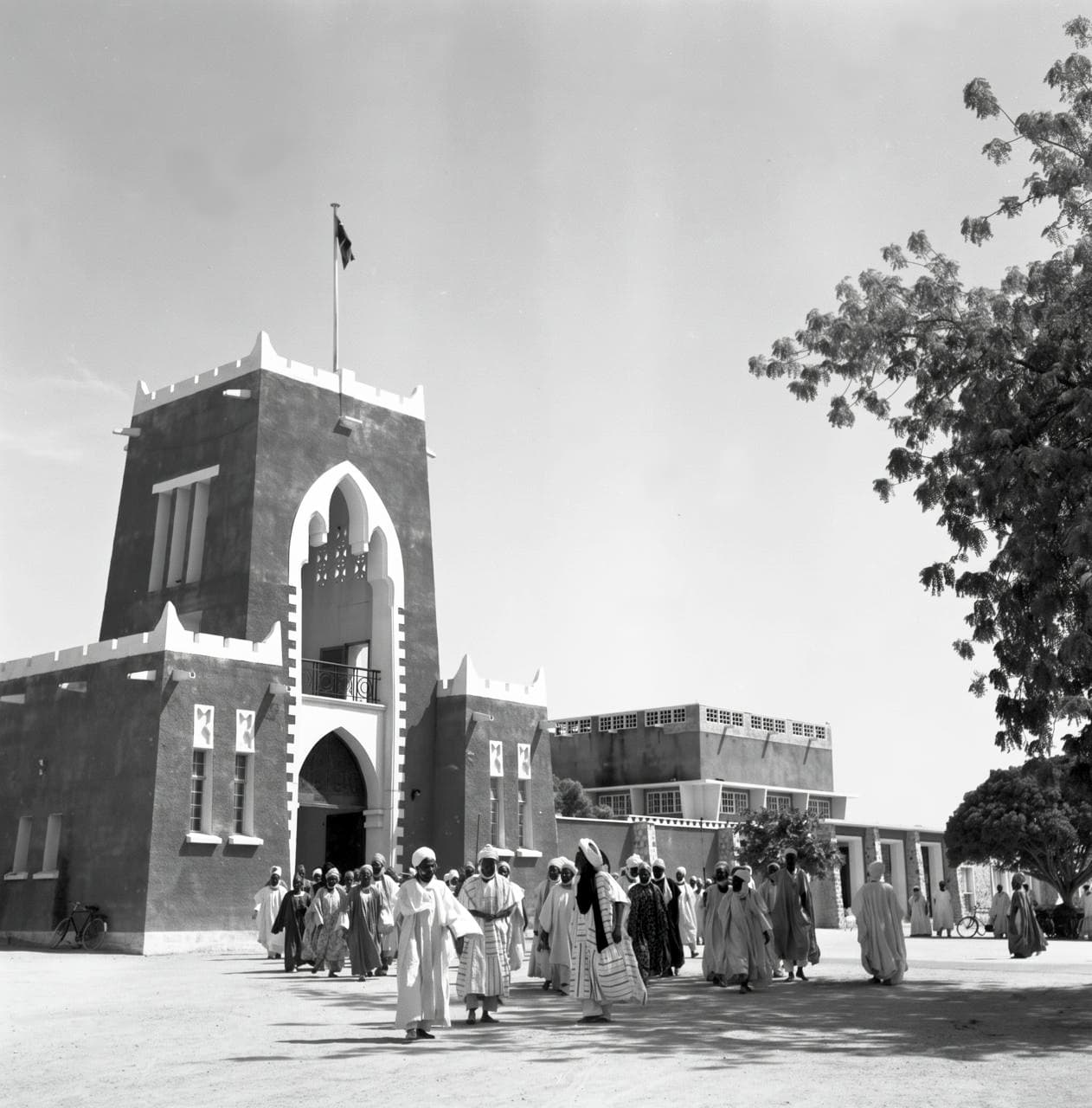
The collection is significant because it allows us to reconsider how Northern Nigerian society was perceived, represented and remembered during a crucial period of transition from colonial rule to independence. Its importance lies not only in the photographer’s historical record but also in the questions these images can raise today.
The photographs capture a society negotiating continuity and change. While political events such as independence, constitutional changes and changes of government often dominate historical accounts, people experience history through the quieter transformations of everyday life: their homes, streets, clothing, work, relationships, commercial activities and encounters with institutions.
These details offer a way of understanding historical change beyond political milestones. They allow us to examine what I would describe as the cultural intelligence of everyday life — the knowledge, skills, institutions and social arrangements that make a civilisation function.
Northern Nigeria was not a society waiting to be modernised. It already possessed established intellectual traditions, commercial networks, aesthetic systems, political institutions and sophisticated ways of organising human activity. Independence created a new political context within which these existing realities continued to evolve.
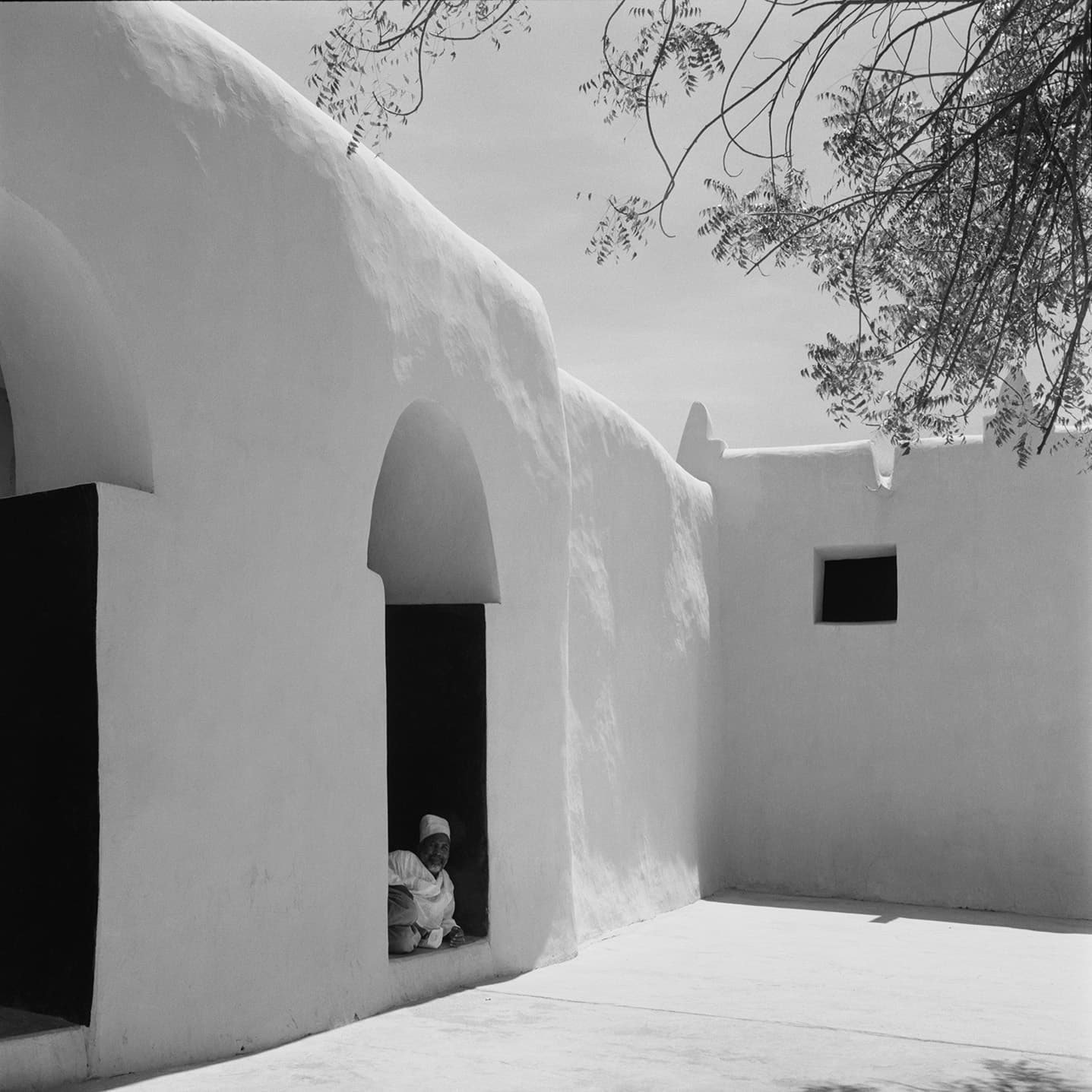
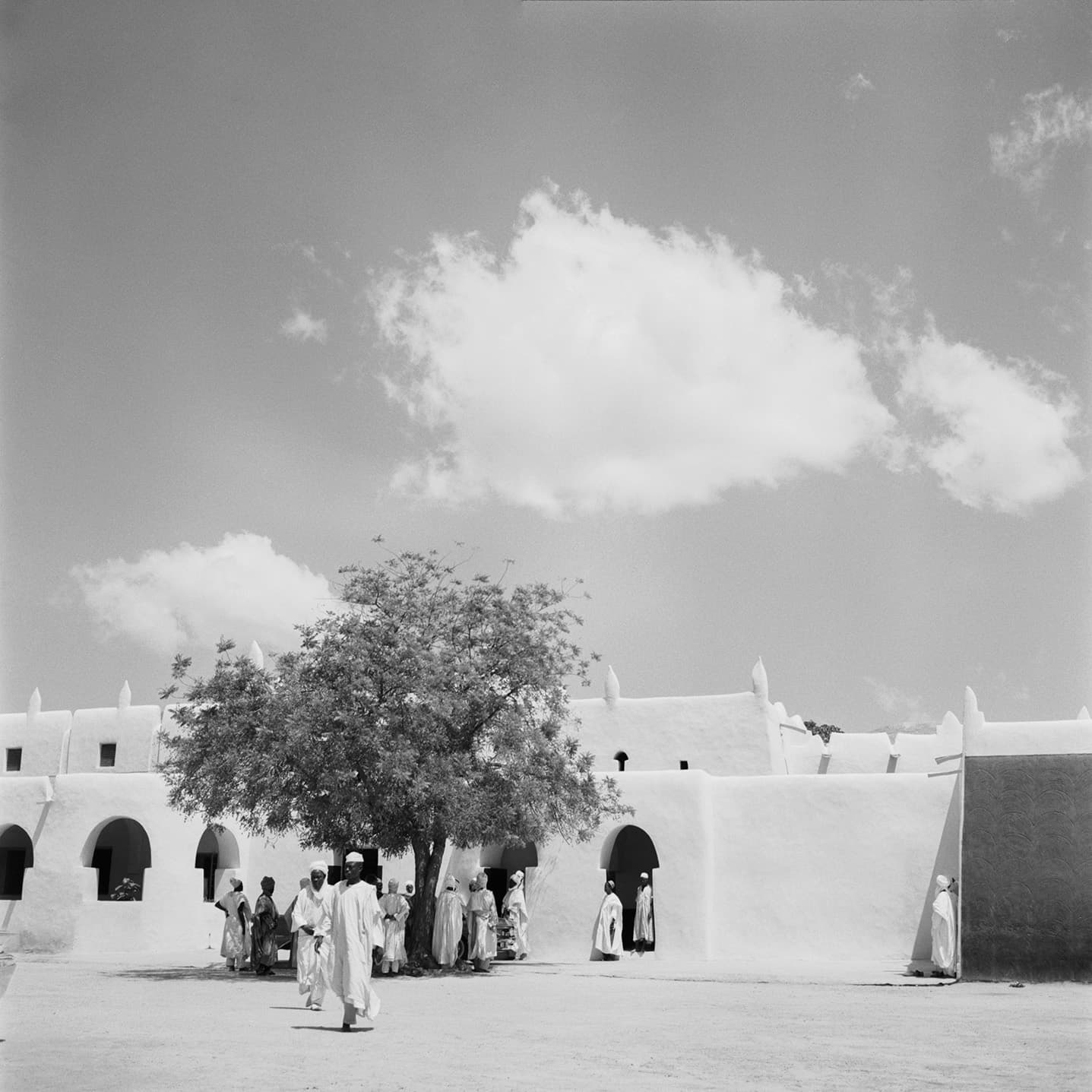
The photographs become especially valuable when we look beyond their visible subjects to the knowledge that made those realities possible. An image of a building, for instance, may preserve evidence of architectural skill, but understanding it fully requires us to investigate the people, techniques and social values behind its construction.
“The ordinary person is not merely a backdrop against which history unfolds. Ordinary people are among its principal authors.”
— Mallam Mudi Yahaya•Curator, Ba A Guda Ba A Bar Gida
Historical photographs are often treated as records of what once existed. What risks arise when we interpret them without their original context?
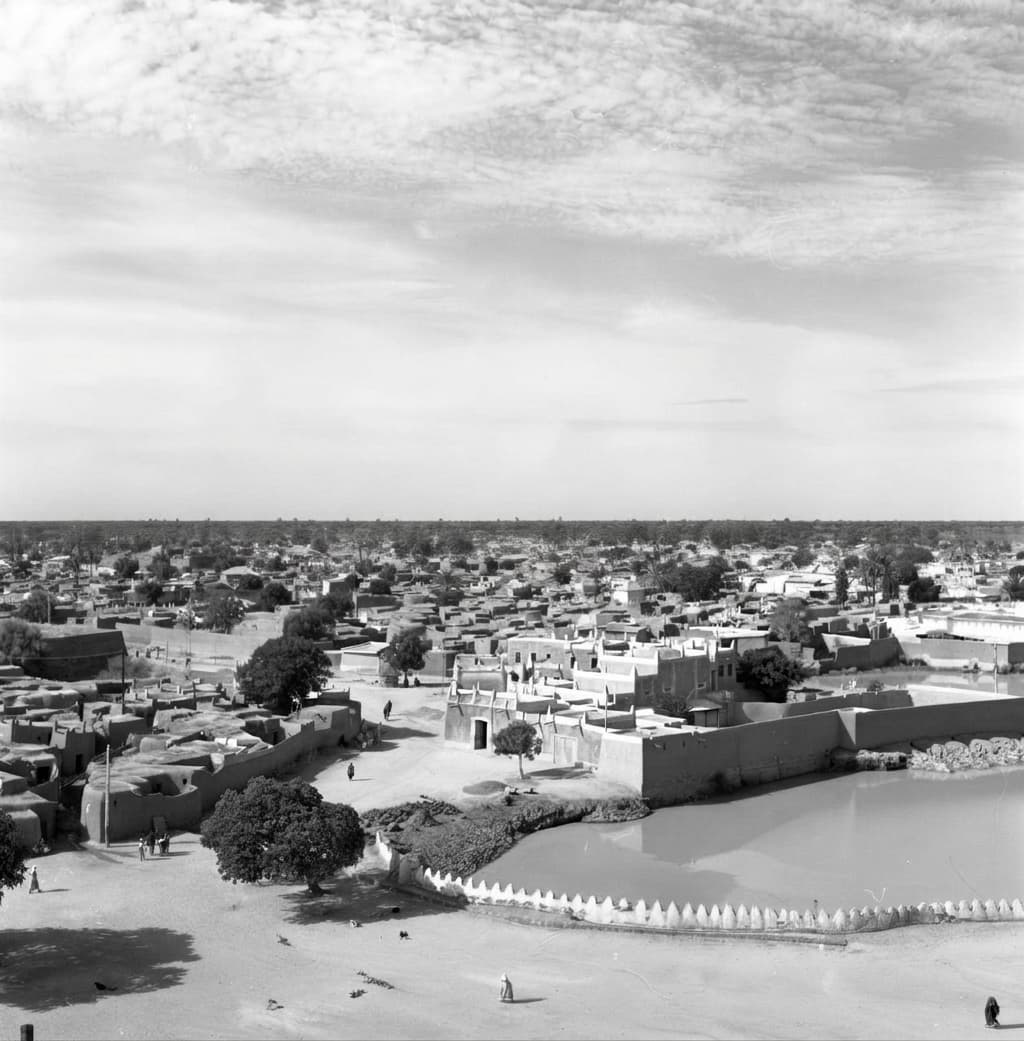
The greatest danger is assuming that seeing something means understanding it. A photograph may accurately capture a person, building or event while the meaning subsequently assigned to it is historically misleading. This is particularly important when examining African photographs produced within unequal colonial and cultural relationships. The photographer’s position, assumptions and intentions may influence what is recorded and how it is presented. When an image is separated from its original circumstances, it can reveal more about the interpreter’s prejudices than the society being represented.
A photograph of Northern Nigeria from the early 1960s might be labelled traditional, modern, conservative or progressive. Such descriptions may tell us as much about our own categories as they do about the people pictured. They risk reducing a complex civilisation to a single interpretation.
The task is not to pretend we can examine the past without contemporary assumptions. It is to allow historical evidence to challenge those assumptions rather than forcing the past to confirm them.
We must also ask what the photograph leaves out. Who was considered important enough to be photographed? Whose labour sustained the society but went unrecorded? Which experiences disappeared because they did not attract the photographer’s attention?
Archives are never complete accounts of history. Their silences are part of what researchers must investigate, although we must distinguish responsible historical inquiry from speculation presented as fact.
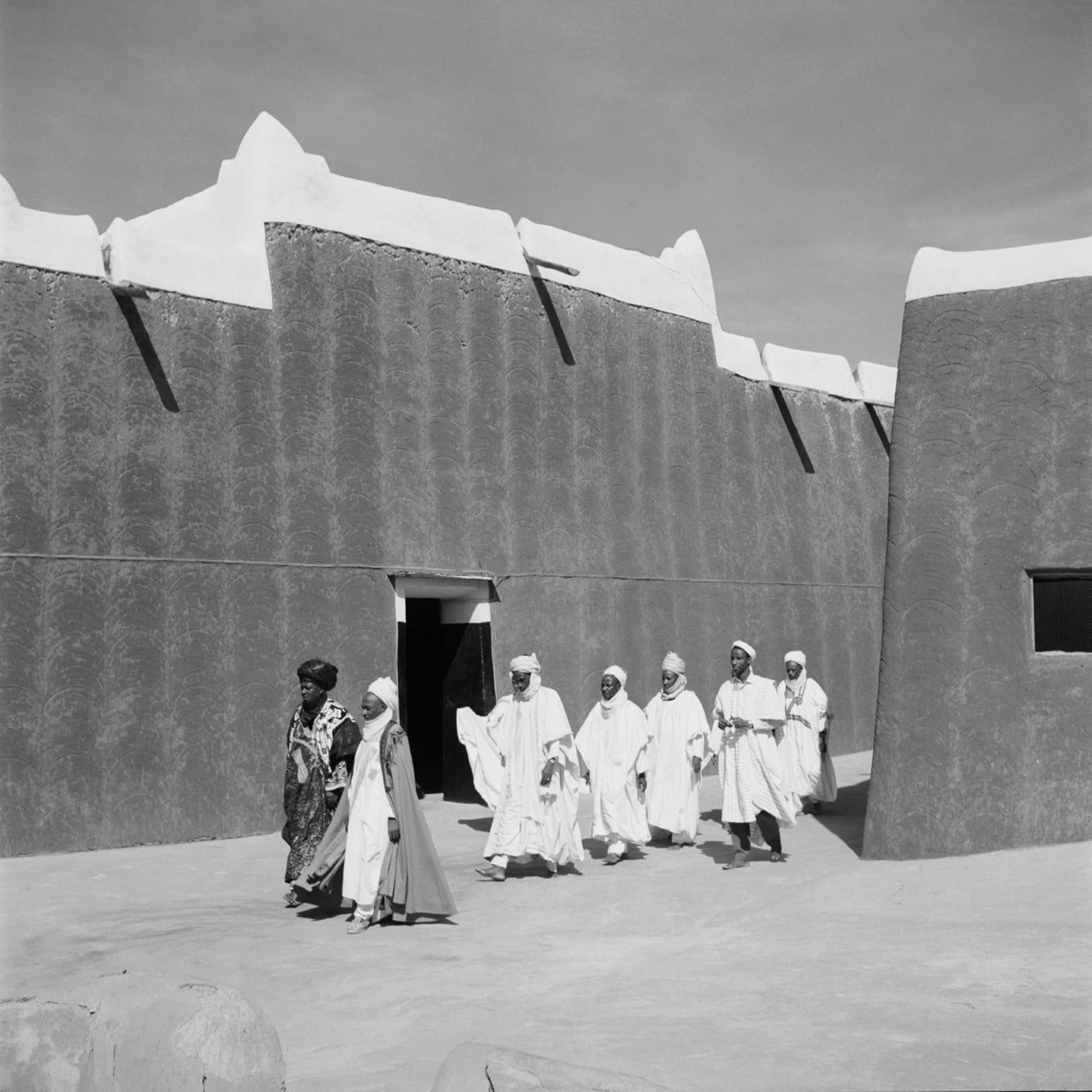
Why is it important to bring this collection to Kaduna, and what might audiences here discover that others could overlook?
There is a difference between examining a historical society from the outside and encountering its images through the accumulated memories, knowledge and experiences of people connected to it. A photograph displayed in Berlin or London may be appreciated for its artistic qualities or contribution to African photographic history. The same image in Kaduna may prompt someone to recognise a street, identify a building, recall a family story or question an existing description.
Kaduna is particularly significant because of its history as an administrative, educational, military and commercial centre, bringing together people from different parts of Northern Nigeria. It offers a setting in which varied experiences of the region can enter into conversation.
However, geographical proximity does not automatically confer historical expertise. Being from a place does not mean that every interpretation of its past is correct. The important principle is that the people and communities represented should have meaningful opportunities to contribute to how their histories are understood. The exhibition is not simply about returning images of Northern Nigeria to Northern Nigeria. It is about creating an opportunity for the region to examine its own visual history critically.
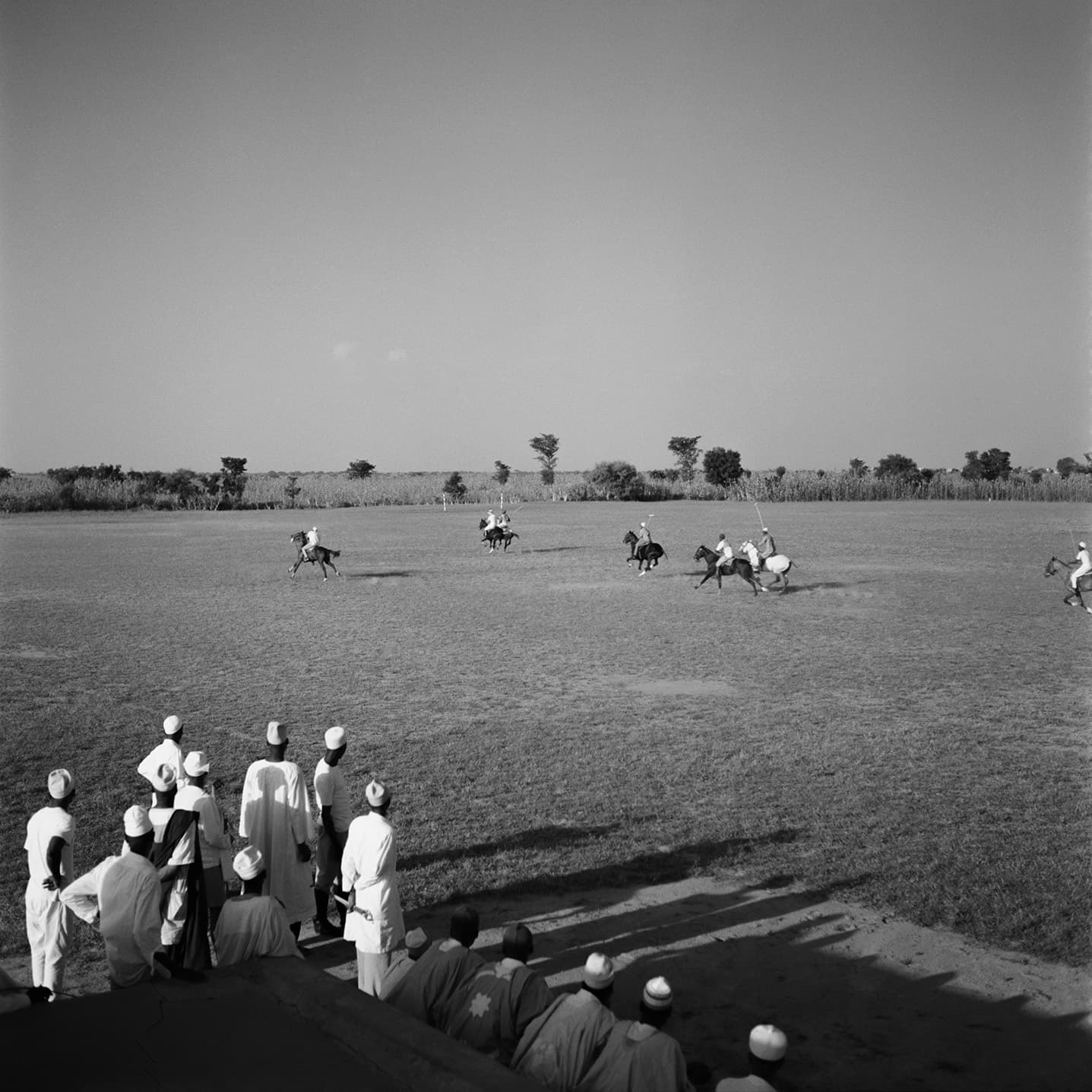
The choice of Fifth Chukker also adds another dimension. A contemporary institution associated with sport, hospitality, private investment and international interaction becomes the setting for photographs documenting a society more than six decades ago. The encounter raises questions about continuity, transformation and the role private institutions can play in public cultural life. It also invites us to consider a larger challenge: how do we build institutions capable of preserving and interpreting our histories beyond the lifetimes of their founders?
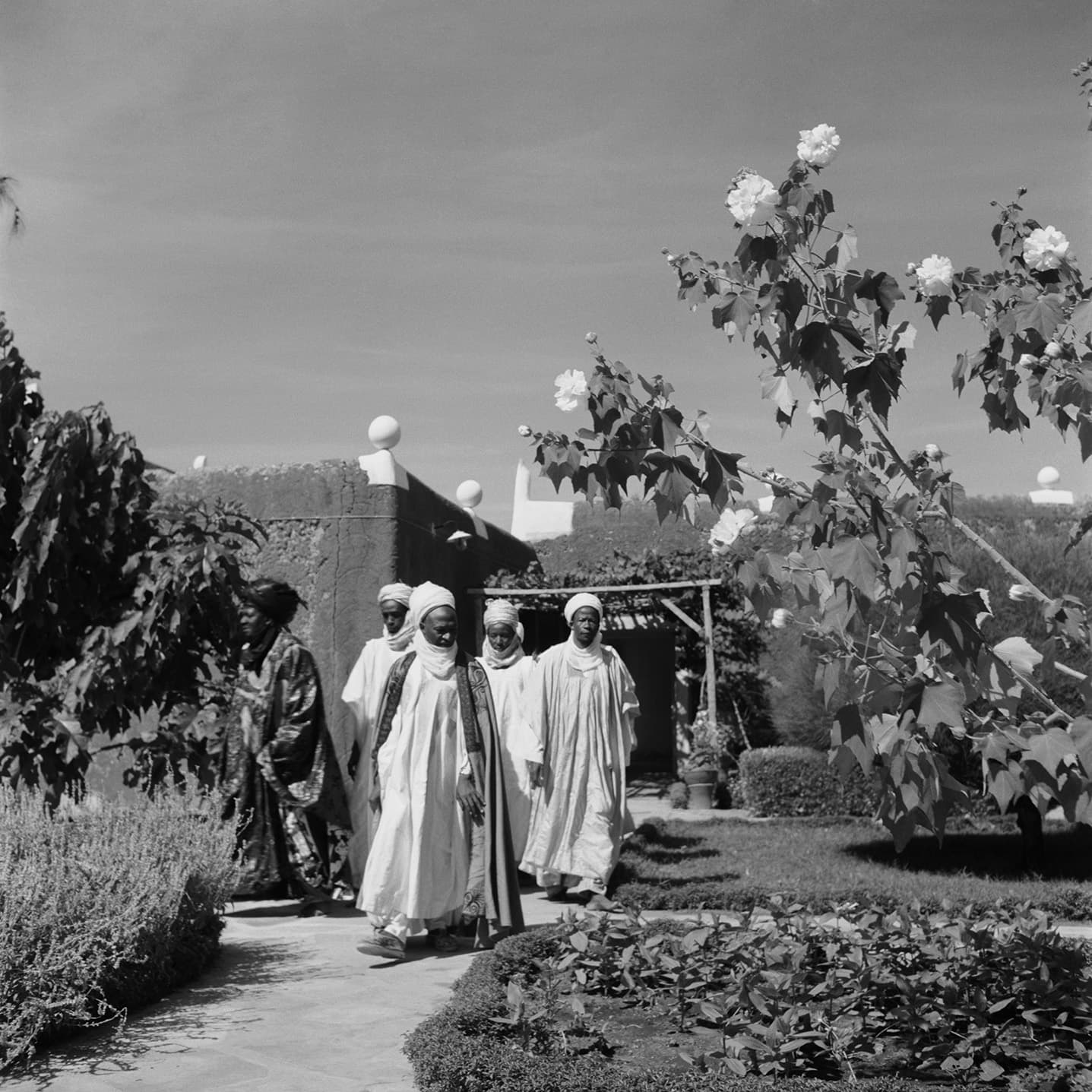
How does the exhibition encourage audiences to reconsider cultural memory rather than simply feel nostalgic about the past?
Cultural memory is more than the accumulation of historical facts. It is the process through which societies decide what to preserve, remember, forget and pass on to subsequent generations.
The exhibition is not intended to celebrate an imagined golden age. Historical photographs may reveal beauty, craftsmanship and social sophistication, but they can also prompt questions about hierarchy, exclusion and unequal power. A society that preserves its past only to glorify itself loses an opportunity to understand its contradictions. The distinction is important: we should retain history not simply to praise who we were, but to understand how we became who we are.
The photographs also broaden the ways Northern Nigeria is remembered. The region is frequently discussed through insecurity, religion, political events and traditional institutions. These are important subjects, but they do not exhaust its history. Scholarship, literature, architecture, agriculture, trade, craft, family life and everyday social interaction are equally part of the record.
The exhibition’s approach also places value on public participation. Rather than relying exclusively on established cultural figures or wealthy patrons, it creates room for students, teachers, historians, artists, craftspeople and people connected to the places represented.
The photographs become more meaningful when stored evidence meets living knowledge. Someone may recognise a location, correct an identification or explain a practice that the original photographer could not fully understand. This is how an archive becomes an ongoing conversation rather than a closed collection of old images.
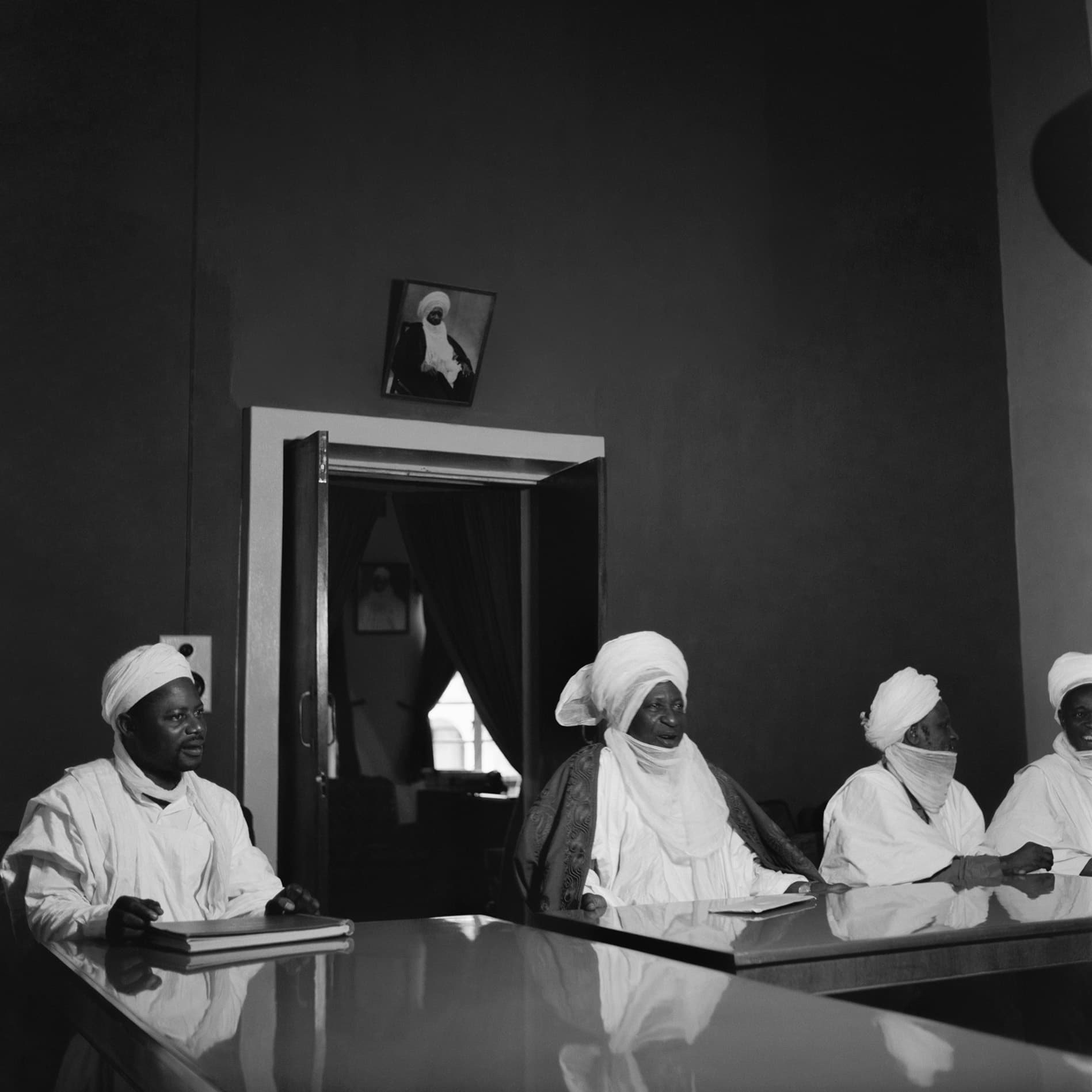
What responsibilities do museums, curators and cultural institutions have when preserving and presenting other people’s histories?
To preserve a people’s history is to accept responsibility for how their humanity will be remembered. Those who control an archive can influence the historical identities of people who may no longer be alive to question how they are described.
A cultural institution cannot eliminate interpretation, but it can make interpretation truthful, accountable, historically informed and open to revision. This requires distinguishing between what an image establishes, what research allows us to conclude and what remains uncertain.
A photograph of an anonymous woman in a Kano market, for example, should not automatically be treated as a representation of all Northern Nigerian women. An orderly street cannot, by itself, prove that a society was peaceful, just as an impressive palace cannot establish that everyone within its society enjoyed prosperity.
Where evidence is incomplete, institutions must acknowledge uncertainty rather than turn assumptions into historical facts. This responsibility extends to archival descriptions inherited from colonial officials, foreign visitors and other observers. Original captions should be preserved as part of an archive’s history, but they should not be treated as unquestionable accounts of the people depicted. Where evidence permits, institutions should add carefully researched interpretations while retaining the original descriptions.
There is also a moral dimension to cultural stewardship. The Islamic concept of Amanah, or entrusted responsibility, offers a useful framework for understanding it. Qur’an 4:58 commands that trusts be returned to those entitled to them and that people be judged with justice. Although the verse does not specifically address museums, its ethical principle speaks to the responsibility involved in safeguarding cultural evidence.
Legal ownership does not exhaust that responsibility. A photograph may belong to an institution while carrying immense significance for the descendants of the people depicted. An image of a historic building may preserve evidence of the craftsmanship of artisans whose names were never recorded. Institutions are therefore better understood as stewards of memory, with obligations to preserve evidence, document its origins, respect those represented and provide meaningful access.
Nigeria has historians, museums, archives, universities and preservation initiatives doing important work. The challenge is to strengthen the conditions that allow this work to endure, including professional training, conservation, cataloguing, digitisation and public access. Without these, documents deteriorate, photographs lose their identifying information and oral testimony disappears with those who carry it.
“Preservation is not simply about keeping objects safe. It is about ensuring that future generations can still investigate and understand the evidence.”
— Mallam Mudi Yahaya•Curator, Ba A Guda Ba A Bar Gida
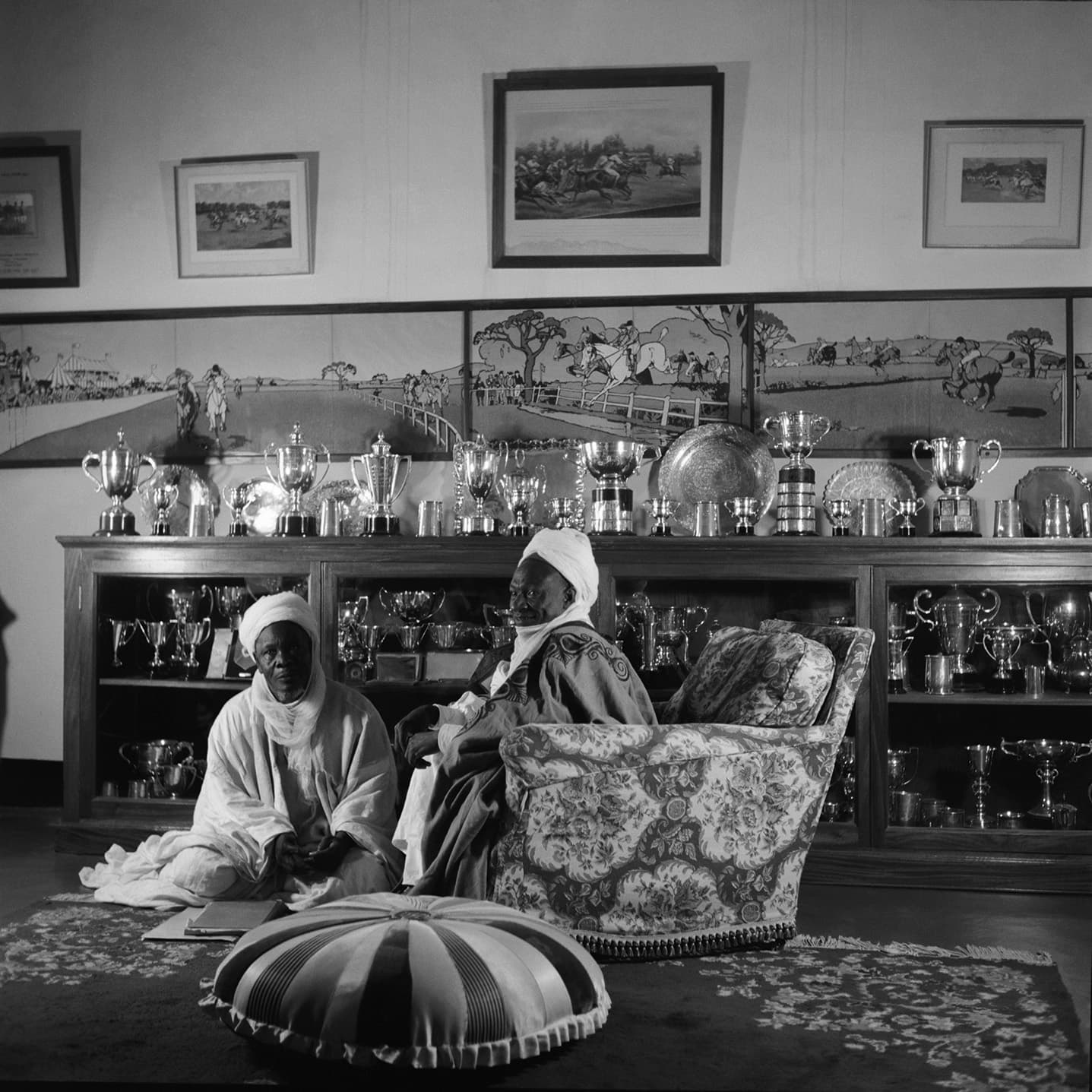
What does this exhibition reveal about the cultural histories that risk being overlooked or lost, and what questions should it raise about the records we are creating now?
When people have limited access to the complexities of their past, their present difficulties can begin to appear permanent. Poverty, insecurity and political disappointment may seem to define a society completely because its other histories have become inaccessible or forgotten.
Historical photographs can challenge this narrow view. They allow us to ask what people valued, what knowledge they possessed, what futures they imagined and which aspects of their lives deserve to be continued or critically examined. For Northern Nigeria, this matters because a generation exposed predominantly to accounts of crisis may struggle to recognise the full inheritance of its society. The region’s history includes hardship, but it also includes intellectual traditions, architectural knowledge, commercial activity, creativity and complex forms of social life.
The urgency becomes greater when the people who understand a place, practice or tradition are no longer available to explain it. A photograph may preserve a courtyard, a garment or a gathering, but its meaning can become difficult to recover when the knowledge surrounding it disappears.
Documentation must therefore begin before knowledge is lost. It should record not only prominent individuals and major events, but also the everyday lives, skills, institutions and experiences that help a society understand itself. At the same time, we must recognise that every record is selective. The photographer decides where to stand, whom to photograph and what to leave outside the frame. Contemporary documentation is no different. Repeatedly photographing poverty or insecurity may produce authentic images while creating a misleading picture of an entire society if other realities are consistently excluded. The ethical question is whether we are documenting what is happening in its complexity or merely collecting evidence that confirms what we already believe.
Islamic teachings provide a useful framework for this responsibility. Qur’an 49:6 instructs believers to verify reports before acting upon them. Applying this principle to photography and historical documentation is an ethical extension rather than a claim that the verse directly addresses those practices. It reminds us that authenticity alone is insufficient; the meanings we attach to evidence must also be examined.
Qur’an 59:18 further invites believers to consider what they are preparing for tomorrow. Applied as an ethical reflection on documentation, it raises an enduring question: what evidence of our lives are we leaving for people who will never have the opportunity to question us directly?
We must also consider the dignity of the people being documented. Visibility is not the same as understanding. An image may attract attention while reducing a person to an illustration of poverty, tradition or someone else’s argument. Consent, privacy, vulnerability and the consequences of public exposure must remain part of the decision to document. Nor should preservation become an exercise in nostalgia. A beautiful photograph cannot establish that the society it depicts was free from injustice, just as contemporary hardship does not erase the achievements of the past. Historical evidence should help us understand how yesterday shaped today, not encourage us to escape the present through idealised memories.
The responsibility is to preserve complexity, acknowledge uncertainty and widen the range of voices involved in interpreting our histories. Future generations deserve evidence with which to make their own judgements, rather than inherited praise, grief or nostalgia alone.
If photographs cannot tell the whole story on their own, what does responsible interpretation ultimately require?
It requires intellectual humility. An outsider’s photograph is not necessarily false because it was produced by someone outside the community, just as a photograph made by an insider is not automatically more truthful. Every observer has limitations, assumptions and interests.
The task is to examine the conditions under which a record was produced while broadening the range of people authorised to interpret it. We should preserve external records without surrendering the ability to question them, and encourage local knowledge without assuming that identity alone guarantees accuracy.
The Qur’anic idea of taʿāruf, expressed in Surah Al-Hujurat 49:13 as the purpose of peoples and tribes coming to know one another, offers a meaningful perspective. Cultural difference should create opportunities for mutual understanding, not grounds for superiority or dismissal.
This means approaching communities as complex human worlds rather than collections of cultural features. Northern Nigeria cannot be fully understood through images of religion, traditional authority, violence or economic hardship alone. Its history encompasses scholarship, agriculture, commerce, architecture, family life, artistic production and intellectual exchange, among many other experiences.
Ultimately, an archive does not speak for itself. Its meaning develops as new generations ask different questions, bring new evidence and sometimes recover knowledge that earlier observers lacked. Responsible institutions must preserve not only what has been established, but also what remains uncertain.
The greatest value of historical documentation lies not in claiming to have captured an entire society, but in leaving behind reliable evidence that allows future generations to investigate it more fully. For me, that is one of the deeper meanings of Ba A Guda Ba A Bar Gida. Home is not only the territory we inhabit. It is also the knowledge that enables us to recognise ourselves, understand our inheritance and accept responsibility for one another. To abandon that knowledge is to diminish what future generations will be able to understand about their own lives.
“Home is not only the territory we inhabit. It is also the knowledge that enables us to recognise ourselves, understand our inheritance and accept responsibility for one another.”
— Mallam Mudi Yahaya•Curator, Ba A Guda Ba A Bar Gida
The Moral Dimension of Cultural Memory
In this interview, Mallam Mudi Yahaya invokes the Islamic concepts of Amanah (sacred entrusted responsibility, referenced in Qur’an 4:58 & 59:18) and Ta’aruf (mutual understanding across peoples and nations, Qur’an 49:13) as guiding frameworks for modern curators. Legal ownership of physical negatives does not extinguish the moral obligation owed to the descendants of those whose cultural lives were documented.
This interview was conducted by HOUSE OF DANDALI, a Northern Nigerian cultural institution dedicated to research, documentation and publishing, in partnership with Visit Arewa. Exhibition photographs by Nina Fischer-Stephan are presented courtesy of the Nina Fischer-Stephan Photographic Archive and Mallam Mudi Yahaya.
.jpeg)